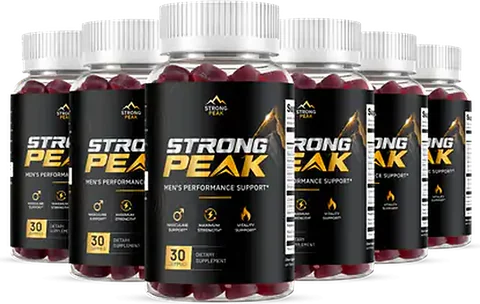
Zinc, Vitamin B3 and Vitamin B6 are the three nutrients among the nine ingredients listed for Strong Peak™. Zinc is a mineral, B3 is also called niacin and B6 is also called pyridoxine. All three occur in everyday foods such as meat, fish, legumes, nuts and seeds, and the brand lists them without amounts.
Meet the nutrient trio · Zinc: a mineral with a metallic name · Vitamin B3: also known as niacin · Vitamin B6: also known as pyridoxine · A grocery-list way to think about it
- Zinc is a mineral; B3 and B6 are B vitamins.
- Niacin is another name for B3, and pyridoxine for B6.
- Common foods supply all three.
- This guide covers identity and food sources, not effects.
Meet the nutrient trio
Among the nine ingredients on the label, these three are the most familiar. You have probably seen them printed on a cereal box or the back of a multivitamin. That familiarity is useful: it means you can read this part of the label without any specialist vocabulary.
A word on scope. This article describes what the nutrients are and where they appear in food. It makes no claims about effects, and it does not quote amounts, because the brand does not list them.
Zinc: a mineral with a metallic name
Zinc is a chemical element, and in nutrition it is classed as an essential mineral, meaning it comes from food rather than being something the body assembles from scratch. The name has a long industrial history, but in a kitchen context you will meet zinc in the form of foods.
Shellfish, especially oysters, are famously rich in it. Beef, pumpkin seeds, chickpeas and cashews are other well-known sources, which makes zinc easy to find in a varied diet. A tablespoon of pumpkin seeds on yogurt or a chickpea salad at lunch is the sort of everyday habit that puts it on your plate.
Because the body does not assemble zinc itself, food is the everyday route. That is why nutrition guides group it with the other minerals you meet through a balanced eating pattern.
Ready to start your routine?
Strong Peak: a once-daily men's gummy, one a day at the same time each day, with a 60-day money-back guarantee.
Order Strong Peak NowVitamin B3: also known as niacin
Vitamin B3 goes by the name niacin, and you will see both words used on packaging. It belongs to the family of B vitamins, which are water-soluble, meaning they dissolve in water rather than being stored in fat.
Foods that supply niacin include chicken, turkey, tuna, salmon, peanuts and mushrooms. Many breakfast cereals and breads are also fortified with it, so it often appears on ordinary grocery labels. A sandwich with turkey on fortified bread is a quick example of how it shows up in a normal day.
The B vitamins are sometimes called a family because they share the letter and a water-soluble nature, even though each has its own chemistry and its own food sources.
Vitamin B6: also known as pyridoxine
Vitamin B6 is another water-soluble B vitamin, and its chemical name is pyridoxine. It is found in a very wide range of foods, which is part of why it appears on so many labels.
Chickpeas, salmon, tuna, potatoes, bananas and fortified cereals are among the common sources. The NIH Office of Dietary Supplements publishes plain-language fact sheets on zinc, niacin and vitamin B6 if you want to browse background information.
- Zinc: oysters, beef, pumpkin seeds, chickpeas, cashews
- B3 (niacin): poultry, tuna, salmon, peanuts, mushrooms
- B6 (pyridoxine): chickpeas, salmon, potatoes, bananas
A grocery-list way to think about it
Here is a fun exercise: build a plate that contains all three. Grilled salmon with potatoes and a handful of pumpkin seeds on the side checks every box. That is the beauty of a varied diet, and it is also the context in which the brand positions Strong Peak, as a daily habit that sits alongside balanced eating, hydration and movement.
For a full overview of the other six ingredients, visit the formula page. For a broader grounding in how to build balanced meals, the Dietary Guidelines for Americans is a practical resource.
The takeaway is simple. Zinc, B3 and B6 are ordinary nutrients with ordinary food sources. Seeing them on the label is a bit like seeing familiar faces in a crowd of nine.
If you would like to know how a label is organized, or how the product is described overall, the what is Strong Peak page and the blog hub collect the related guides in one place.