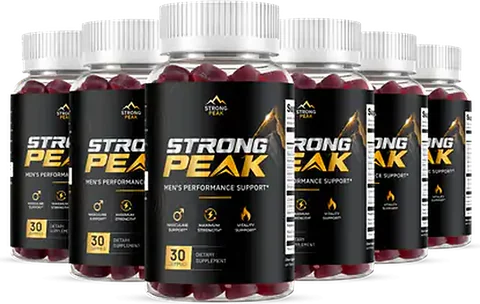
L-Citrulline and L-Carnitine are two of the nine ingredients listed on the Strong Peak™ label. Both are amino acids. Citrulline got its name from watermelon, where it was first isolated, and carnitine from the Latin word for flesh. Both turn up in ordinary foods, and the brand lists them without amounts.
First, what is an amino acid? · L-Citrulline: a name from watermelon · L-Carnitine: a name from meat · Where you meet them in food · Where they sit in the Strong Peak formula
- Both are amino acids, named in their "L-" forms on labels.
- Citrulline is linked by name to watermelon; carnitine to meat.
- Everyday foods contain both in varying amounts.
- This guide explains identity and sources, not effects.
First, what is an amino acid?
Amino acids are small molecules that link together to form proteins. Your body builds proteins from about twenty of them, and food proteins are the everyday source. Some amino acids also exist on their own, outside proteins, and that is where citrulline and carnitine fit in.
If the word feels technical, think of building blocks. Proteins are the structures, amino acids are the bricks, and each brick has its own name and history.
On a label you will often see an "L-" prefix. It describes the shape of the molecule, and it is simply the standard way these two are named, so L-Citrulline and L-Carnitine are what you would expect to read on any ingredient list.
L-Citrulline: a name from watermelon
Citrulline was first isolated from watermelon in the late 1800s, and its name comes from Citrullus, the Latin genus of the watermelon. Japanese researchers published the discovery, and the word has stuck ever since.
It remains one of the best naming stories in the supplement aisle. When you see citrulline on the Strong Peak label, you are looking at a compound named after a picnic fruit.
The name is a reminder that most supplement ingredients have everyday roots. Behind the lab-sounding word is a plant family you may already keep in your fridge, and that kind of background makes a label far less intimidating.
Ready to start your routine?
Strong Peak: a once-daily men's gummy, one a day at the same time each day, with a 60-day money-back guarantee.
Order Strong Peak NowL-Carnitine: a name from meat
Carnitine was first found in meat extracts in the early 1900s. Its name comes from the Latin word carnis, meaning flesh, which is the same root that gives us words like carnivore.
Carnitine is also a nice example of a nutrient that is easy to spot in the grocery aisle: red meat sits at the top of most food-source lists, with fish, poultry and dairy following behind.
The body makes carnitine on its own, and foods also supply it. That combination of food source and natural presence is part of what makes it a familiar name on nutrition labels.
Like citrulline, carnitine is usually written with the "L-" prefix, and it is a good example of why reading labels is easier when you know a little etymology: the name tells you where to look for it in the grocery store.
Where you meet them in food
You do not need a special store to find either one. The USDA's FoodData Central database lets you look up foods and see what they contain, and the NIH Office of Dietary Supplements offers background reading on nutrients generally.
As a rule of thumb, here is where each tends to appear in everyday eating:
- Citrulline: watermelon (especially the rind and flesh), cucumbers, squash and other gourds
- Carnitine: beef, pork, fish, poultry and dairy foods
- Both: a varied diet with plenty of produce and protein foods
- Tip: look up any food by name in FoodData Central to see its nutrient profile
Where they sit in the Strong Peak formula
Strong Peak lists L-Citrulline and L-Carnitine among its nine ingredients, alongside plant extracts and nutrients. The brand does not state amounts, so we do not either. The full lineup is covered on the formula page.
The brand describes the product as a once-daily gummy positioned around everyday energy, vitality, performance and stamina, all stated by the brand. Understanding what each ingredient is simply helps you read the label with confidence.
The most practical takeaway is that none of these names is exotic. Both are amino acids you can trace back to foods you already know, such as watermelon, cucumbers, beef, fish and dairy, and both are part of a formula built to sit inside a balanced daily routine.