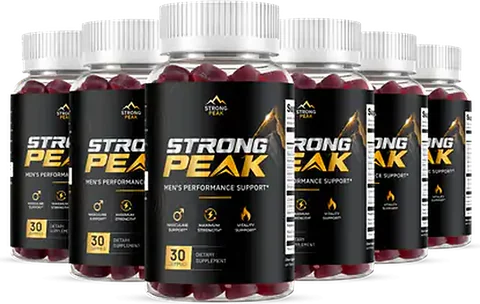
Panax ginseng, maca and rhodiola are three of the nine ingredients listed for Strong Peak™, and each begins as a plant root. Ginseng is native to East Asia, maca grows high in the Peruvian Andes, and rhodiola favors cold, rocky regions. On a label, "extract" means the plant material has been concentrated.
Panax ginseng: the famous root · Maca: a root vegetable from the Andes · Rhodiola: a plant of cold, high places · What "extract" means on a label · Fitting plants into a daily routine
- All three begin as roots or rhizomes of hardy plants.
- Each comes from a distinct region and climate.
- "Extract" means a concentrated form of the plant material.
- This guide covers botany and labeling, not effects.
Panax ginseng: the famous root
Panax ginseng is a slow-growing perennial native to the mountain forests of Korea, northeastern China and the Russian Far East. The part used is the root, which is often harvested after several years of growth. It is sometimes called Asian or Korean ginseng to separate it from other plants that share the name.
The genus name Panax shares its Greek roots with the word panacea, an old term meaning "all-purpose." That is just etymology, not a claim: the name reflects how long people have written about the plant, and nothing more. Wild plants are slow growers, so cultivated roots are common today, and the plant is often grown on farms in its native region.
A separate ginseng fact is worth knowing: several unrelated plants borrow the name, such as Siberian and American types. The Panax in Panax Ginseng Extract tells you which plant the label means.
Maca: a root vegetable from the Andes
Maca, Lepidium meyenii, grows on the high plateaus of Peru at altitudes where few crops survive. It belongs to the cruciferous family, which puts it in the same botanical neighborhood as radishes and turnips. The edible part is a round, tuberous root.
Maca roots come in several colors, including cream, red and black. In Peru, the root is eaten as a food, roasted, boiled or dried and ground into flour. A "maca root extract" on a label is a concentrated form of that ground root.
Ready to start your routine?
Strong Peak: a once-daily men's gummy, one a day at the same time each day, with a 60-day money-back guarantee.
Order Strong Peak NowRhodiola: a plant of cold, high places
Rhodiola rosea belongs to the stonecrop family, a group of tough, succulent plants. It grows in cold, rocky, high-altitude areas of Europe, Asia and North America, often in mountain crevices and Arctic regions.
The common name "rose root" comes from the rhizome, which carries a rose-like scent when cut. As with ginseng and maca, the underground part is the one prepared for extracts.
- Ginseng: East Asian forests, root
- Maca: Peruvian Andes, root
- Rhodiola: cold mountain and Arctic regions, rhizome
What "extract" means on a label
An extract is made by soaking or processing plant material in a solvent such as water or alcohol, then concentrating what is drawn out. The result is a more compact form than the raw plant, which is why extracts suit a small gummy.
Labels can describe extracts in different ways: the plant part, the ratio of plant to extract or a standardized compound. The Strong Peak label simply names Panax Ginseng Extract, Maca Root Extract and Rhodiola Extract, and the brand does not give amounts.
Grape Seed Extract follows the same logic. Grape seeds are a by-product of winemaking and juice production, and the extract is a concentrated form made from them.
Fitting plants into a daily routine
Knowing the story behind an ingredient makes a daily habit feel less abstract. Each of these plants is a long-standing part of its home landscape, and each shows up on the label by its plain botanical name.
The brand lists these three beside Grape Seed Extract, two amino acids and three nutrients, and describes the formula as a once-daily gummy for adult men, positioned around everyday energy, vitality, performance and stamina, all stated by the brand. You can see the complete list on the formula page.
If you enjoy learning how ingredients are named and sourced, the Office of Dietary Supplements is a good place to read more. For the product overview, start with the what is Strong Peak page. For how the gummy fits a morning routine, the how it works page covers it.